Column · @gunnerrcoe818
Addiction Treatment Texas: Understanding Levels of Care
When a loved one begins requesting for help, you do not have time for jargon or guesswork. You require to recognize what level of treatment fits the person in front of you, what it resembles everyday, and how to discover it in Texas. That is the purpose of this guide. It draws on exactly how medical professionals make use of the American Culture of Addiction Medication framework, and folds up in Texas certain truths like regional gain access to, insurance policy peculiarities, and the way programs in cities such as San Antonio organize care.
The big picture: matching like need
Addiction seldom travels alone. Withdrawal risks, psychological health and wellness signs, real estate instability, and lawful or household stress and anxiety all shape what a person requires from treatment. Excellent programs start with an organized assessment that checks out numerous dimensions of danger, not simply the substance utilized. In technique, that suggests medical professionals inquire about withdrawal background, overdose threat, existing clinical issues, yearnings, previous treatment attempts, mood and stress and anxiety signs, day-to-day setting, and readiness to change.
The ASAM Requirements, used throughout the United States, arrange therapy right into levels, from early intervention to medically handled inpatient. The greater the number, the a lot more intensive the services and medical oversight. The idea is simple: match the intensity of care to the intensity of the problem, then readjust up or down as the individual stabilizes or struggles.
This is not a ladder that every person climbs up in order. People get in at various points. A person with benzodiazepine dependancy and a seizure background must not start in weekly therapy. A college student binge alcohol consumption without withdrawal could profit most from brief treatment and skills technique. Getting the degree right lowers danger and enhances the chances that care will certainly stick.
How the ASAM degrees translate in Texas
Texas suppliers make use of the very same structure, with some local flavors. Urban centers such as San Antonio, Houston, Dallas, and Austin use most levels, frequently within the exact same wellness systems or via limited recommendation networks. Rural and frontier regions may have spaces, so telehealth and coordinated transportation matter a lot more. The state's Health and Human Solutions Commission funds regional Outreach, Testing, Assessment, and Reference teams, referred to as OSAR, to assist browse choices, especially for individuals without insurance policy. Lots of programs additionally collaborate with area mental health authorities and regional healthcare facilities for dilemma support.
Here is just how degrees of care typically search the ground.
Early treatment and avoidance, ASAM 0.5
This is for people in jeopardy, not yet fulfilling standards for a material use problem. Think of a high school senior caught vaping THC at college, or a college student that had an alcohol associated event in https://cesarnqli600.juniperbrief.com/posts/addiction-treatment-texas-integrating-nourishment-and-health a dorm. Solutions include quick motivational conversations, security preparation, and clear education and learning concerning threats. In Texas, you usually find these embedded in schools, university therapy facilities, or medical care methods. Some districts companion with nonprofits for court diversion classes after first time alcohol citations.
Outpatient services, ASAM Level 1
Standard outpatient care suggests organized therapy that suits a regular week, generally one to two sessions totaling less than 9 hours for grownups. It includes private sessions, sometimes a regular team, household job, and medicine management if needed. It works ideal for individuals with light to moderate signs and symptoms, a secure home, and the capacity to avoid high threat situations in between sessions. In Texas, many outpatient programs supply multilingual services, and in cities with armed forces areas, clinicians are frequently acquainted with TRICARE permissions and responsibility related stressors.
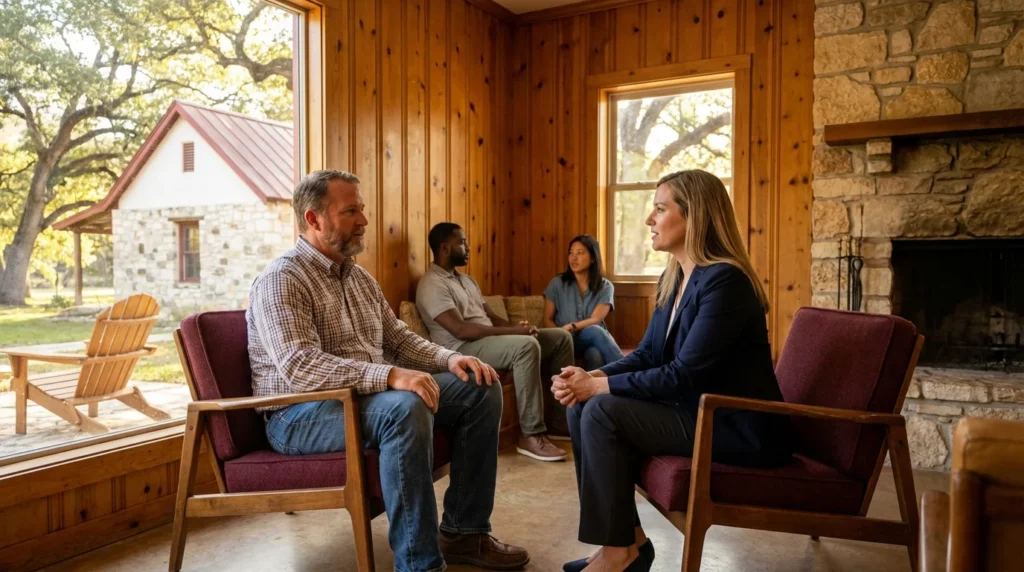
A practical instance: a nurse in San Antonio acknowledges that after shifts she uses alcohol to sleep. No withdrawal, no blackouts, no lawful trouble. She starts once a week cognitive behavior modification, learns rest health and desire administration, and fulfills a prescriber to discuss medicine options that sustain sleep without risk of dependence.
Intensive outpatient program, ASAM Level 2.1
Intensive outpatient programs, often called IOP, step up the framework without needing over night stays. Adults typically go to 9 to 15 hours weekly, topped 3 to five days, with a mix of team treatment, private sessions, and medicine testing. There is even more accountability and ability method, and programs commonly include family members education nights. IOP is a good fit when outpatient job is inadequate, yet the person can still handle home and work with included support.
Texas IOPs frequently provide night tracks for individuals functioning daytime shifts. In San Antonio, where lots of clients work in healthcare, education, or on base, programs may run 6 to 9 pm sessions to minimize obstacles. Digital IOP increased throughout the pandemic and remains an option for people in regions without regional programs, though not every insurance firm covers telehealth similarly, so ask prior to starting.
Partial a hospital stay program, ASAM Level 2.5
Partial a hospital stay programs, or PHP, supply hospital level intensity without the overnight bed. Grownups generally attend 20 to 30 hours each week, five days a week. Clinical oversight is readily available daily, and psychiatric care is integrated. PHPs are designed for people with significant signs that need near day-to-day monitoring, but that are secure to rest at home. This degree is common for co happening conditions, as an example, opioid usage problem with severe clinical depression, or alcohol utilize problem with challenging clinical requirements like pancreatitis or uncontrolled hypertension.
In Texas, PHPs are most likely to sit within healthcare facility systems or big behavior health centers in city areas. Transportation support may be available for people within an established spans. For parents, programs frequently coordinate with colleges so kids continue to be signed up while a caregiver remains in treatment.
Residential treatment, ASAM Degree 3.1 to 3.7
Residential programs offer 1 day structure, dishes, and restorative services. The strength varies: Degree 3.1 is medically taken care of low intensity, commonly much longer remains with life abilities and recovery sustains, while Level 3.7 is clinically kept track of, with nurses on website and doctors very closely entailed. Residential is suitable when the home atmosphere is disorderly or risky, when food cravings are overwhelming, or when prior outpatient efforts failed.
Texas has a wide spread of household setups, from small not-for-profit centers in the Hill Country to bigger schools near San Antonio and Houston. Remains range from 2 to 6 weeks for high strength stabilization to several months in reduced strength settings that emphasize vocational support. Some programs approve parents with kids, a crucial alternative when absence of childcare obstructs accessibility. Wait times can vary. An excellent program will certainly give interim assistance like telehealth teams or a bridge clinic for medicines while a bed is pending.
Medically handled inpatient, ASAM Degree 4
This is health center based addiction treatment with 24 hr clinical and nursing care. It is utilized when a person has high threat withdrawal, unstable medical or psychological conditions, or acute security worries. A person with severe alcohol withdrawal and a history of delirium tremens, or someone who just overdosed and is medically jeopardized, belongs below initially. In Texas, larger health centers and some specialty facilities run these units, and keeps are usually brief, concentrated on stablizing and change to the following level.
Withdrawal administration, throughout settings
Detox, correctly called withdrawal administration, is not a standalone cure. It is the clinical support needed to securely relocate via withdrawal and join recurring treatment. The setup depends upon risk. Alcohol and benzodiazepine withdrawal can be harmful, so modest to extreme cases call for 1 day medical oversight. Opioid withdrawal, while seldom lethal by itself, is extremely uncomfortable and can be dangerous if it speeds up relapse and overdose, so medicine support makes a big difference.
Texas emergency divisions regularly start drugs for opioid use disorder, a proof based technique that has actually grown over the last 5 years. Somebody that gets buprenorphine in the ED can frequently participate in a bridge clinic the following day, then shift to IOP or outpatient. This fast handoff matters, because motivation swings. For alcohol, finest practice incorporates sign assisted benzodiazepine tapers with vitamins and close surveillance, after that a handoff to domestic or PHP depending upon stability.
Medication as a backbone, not a crutch
Medication assisted therapy, now commonly called medications for opioid use problem, conserves lives. Buprenorphine, methadone, and extended release naltrexone are all choices. The appropriate selection relies on history, objectives, and accessibility. Methadone needs day-to-day facility gos to at first, which can be difficult in rural Texas. Buprenorphine can be recommended in workplace based setups, and in many areas primary care physicians have actually tipped up to give it. For alcohol usage problem, naltrexone, acamprosate, and disulfiram each play a role.
The crucial lesson from the area: drugs are most effective when paired with therapy, recuperation mentoring, and focus to social components like real estate and employment. A San Antonio mechanic that starts buprenorphine and also goes to IOP, fulfills weekly with an instance supervisor, and joins a healing friendly gym is a lot less likely to return to make use of than somebody released with a prescription and a handshake.
What treatment feels like day to day
People visualize treatment as limitless groups in a fluorescent room. The reality is more varied. A common PHP day could begin with crucial signs, a quick sign in with a nurse, a psychoeducation team on triggers, lunch, then a specific session to update the relapse avoidance plan. IOP nights typically entail abilities based teams, like function having fun exactly how to decline an offer from an old friend, after that a mindfulness exercise. Residential programs add duties, shared meals, entertainment, and household visits. Outpatient can seem like standard therapy, customized to compound usage and associated goals.

Programs in Texas regularly consist of peer healing coaches, people with lived experience that help with functional tasks like navigating the DMV for a certificate, or just design long-term recovery. Lots of also weave in injury informed care and, in San Antonio particularly, culturally receptive solutions for Latino and military neighborhoods. Bilingual groups are common, and some programs hold family members education and learning nights in English and Spanish back to back.
Signs it is time to relocate to a greater level of care
- Withdrawal symptoms or medical concerns that can not be safely taken care of at home
- Persistent usage or duplicated relapse regardless of active outpatient therapy
- Unsafe or unsteady real estate, residential violence, or hefty material use in the home
- Suicidal thoughts, self damage, or unrestrained psychological symptoms
- Missed appointments, escalating lawful or job problems, or driving under the influence
Clinicians determine using organized criteria, yet families frequently see the tipping factors first. If you observe two or more of these signs, ask for a reassessment. Great programs treat tipping up not as failing, but as a safety move.
Choosing a program you can trust
Every brochure guarantees individualized, evidence based treatment. You need specifics. In Texas, try to find programs that either provide or very closely coordinate with clinical and psychiatric solutions, offer medications when indicated, and preserve active partnerships for action up and step down care. Certification by companies such as The Joint Commission or CARF adds quality oversight, but the daily experience matters too.
Here are concise questions that punctured marketing:
- Which ASAM degrees do you supply, and exactly how do you decide where someone starts?
- Do you offer or collaborate medicines for opioid and alcohol make use of disorders?
- What is your normal once a week timetable, and exactly how do you involve family?
- How do you deal with carbon monoxide happening clinical depression, stress and anxiety, or trauma?
- What occurs if I require a greater or lower degree throughout treatment?
Listen for clear, practical solutions. A credible program can define concrete pathways, not simply ideals.
Addiction therapy in San Antonio
San Antonio blends armed forces, college, and household driven cultures, and that mix shapes addiction treatment. Joint Base San Antonio suggests lots of locals bring TRICARE, and medical professionals routinely coordinate with command when solution members approval. Several healthcare facilities run PHP and IOP tracks that integrate closely with health care and psychiatry, beneficial when somebody has complicated clinical needs. You will certainly find multiple domestic choices within a 2 hour drive, including programs that accept pregnant individuals and moms and dads with young children.
The city's geography assists. You can receive from the South Side to the Medical Facility in 20 to half an hour outside rush hour, and bus lines get to significant clinics. Several programs provide multilingual solutions. For individuals functioning swing or night shifts, numerous IOPs run night or weekend hours. If transportation is a barrier, inquire about coupons, trip partnerships, or telehealth teams. If you begin with detox at a healthcare facility in the Medical Facility, anticipate personnel to organize following steps before discharge, commonly with a very same week begin to PHP or IOP.
A quick instance highlights the step up and down technique. Maria, a 34 years of age teacher on the North Side, seeks help after 2 alcohol related absences. She has no background of extreme withdrawal, but records morning drinks and intense anxiousness. She confesses to alcohol consumption after school and hiding containers at home. Her evaluation indicate moderate alcohol usage problem with co taking place anxiousness. She begins IOP 3 evenings a week and satisfies a prescriber. Naltrexone helps in reducing food cravings. After 2 weeks she reports two slips, both after stressful parent meetings. The group moves her to PHP for 3 weeks to include daytime coping skills and closer surveillance. Her partner attends family groups, and they deal with eliminating alcohol from the home. She then goes back down to IOP, after that to weekly outpatient therapy. Six months later she still attends a colleagues once a week and instructors her institution's soccer group. The course was not direct, but the levels fit the requirements at each stage.
Paying for treatment in Texas
Coverage in Texas is a jumble. Personal insurance plans usually cover a range of degrees, though prior authorization is common for household and PHP. Deductibles and copays differ. TRICARE covers several services, however authorization procedures differ by plan type. Texas has not expanded Medicaid, so grown-up qualification is limited, which makes state funded ports important. The Health And Wellness and Person Providers Payment agreements with providers to supply solutions to without insurance and underinsured citizens, and OSAR teams aid match people to those ports. County indigent programs and nonprofit gives fill some gaps.
Practical tips make a difference. Before beginning, ask the program to verify advantages and provide you a written recap of expected expenses. If you are uninsured, speak to the local OSAR office for testing. Some health centers run bridge facilities that supply low cost medication administration while you wait for a longer program. If job is a concern, the federal Family members and Medical Leave Act may safeguard your work during therapy if your employer and your placement qualify. Human resources departments have actually seen these requests prior to, also if it feels daunting to ask.
Rural gain access to and telehealth
Texas is large, and range matters. In far West Texas or the Panhandle, residential beds and PHPs might be several hours away. Telehealth has narrowed the void for outpatient and IOP, and several programs now offer crossbreed designs. Group communication takes effort on a display, however when succeeded it still develops liability and community. Home drug screening and digital check ins add framework. For withdrawal monitoring and domestic treatment, transportation support and short-term lodging for family members can be definitive. Churches, public teams, and healing neighborhood organizations sometimes help with trips or over night remains, so ask regional programs regarding those networks.

Special populations: what good care looks like
- Veterans and active duty members take advantage of medical professionals that comprehend ethical injury, sleep disturbance, and command culture. In San Antonio, coordination with base services improves continuity.
- Adolescents require developmentally tuned treatment that involves moms and dads or guardians. Texas programs frequently run different teenager tracks, with school sychronisation and family abilities training.
- Pregnant individuals require clinically incorporated treatment where obstetrics and addiction groups work together. Health centers in metro locations provide this, and some domestic programs approve mothers with infants.
- People leaving jail or prison do ideal with cozy handoffs to neighborhood providers, preferably with medicines began prior to launch. Area reentry programs and some public protectors aid organize this.
The thread attaching these teams is combination. Addiction treatment is not a silo. The very best outcomes come when care links to primary medication, mental health, housing, and employment.
Measuring progression and changing care
Programs track greater than urine screens. Useful markers include fewer days of usage, boosted rest, more time at the workplace or in institution, much better family communication, and safer social circles. Gaps take place. The inquiry is what the group does next. If somebody in outpatient reports rising yearnings and a Friday evening slip, a very same week bump to IOP may be enough. If anxiety attack and sleep problems return during a difficult season, short term PHP can support things prior to injury spreads.
Texas programs that share health documents across levels make these changes smoother. In practical terms, that suggests you do not need to retell your life story with every step. Medications follow you, household stays engaged, and billing transitions are taken care of behind the scenes.
Safety internet and harm reduction
Safety becomes part of treatment at every level. For opioids, naloxone needs to be in every home where there is risk, and many Texas drug stores supply it without a specific prescription. For alcohol, conversations about more secure alcohol consumption limitations issue for people not prepared to stop, as do rideshare plans when social events consist of alcohol. Syringe services are limited in Texas, but some city locations run harm reduction outreach that supplies testing strips and education. Even if a program is abstaining concentrated, it needs to assist you produce concrete safety and security plans.
If a dilemma establishes, the national 988 Lifeline links customers to local crisis sources, including mobile teams and stablizing systems where readily available. Several counties in Texas run crisis break beds that can hold someone securely while a treatment plan is adjusted.
The reality of trade offs
There is no best program. A residential facility might use unparalleled framework, yet it pulls someone unemployed and family life for weeks. IOP preserves regimens, yet accessibility to compounds continues to be nearby. Telehealth decreases traveling, yet some people need the physical boundary of a facility. Medicines minimize food cravings and threat, however finding the right dose and routine can require time. A great therapy group names these compromise and assists you select what fits your life and danger account now, not in the abstract.
How to start, today
If you are considering alternatives, start with an extensive analysis. Call a local carrier and ask for an ASAM based examination with suggestions across numerous degrees, not simply the solutions they market. If money is tight, contact your local OSAR workplace or dial 211 in Texas for references to state funded alternatives. If you remain in the San Antonio area, ask about night IOP tracks, multilingual family members teams, and programs that collaborate very closely with primary care or base services.
From there, expect a strategy that really feels particular. It ought to spell out where you begin, how commonly you go to, which medicines are suggested and why, what household involvement resembles, exactly how situations are handled, and what stepping down will certainly call for. Recovery frequently looks like numerous seasons of treatment, not a solitary event. With the appropriate level at the right time, the course becomes manageable.
A final word on hope and accountability
People modification in Texas everyday, in cities and small towns, at hectic hospitals and in church cellars. The most reliable formula is not a mystery: healthcare that is timely and humane, treatment that educates useful abilities, family that learns exactly how to support without enabling, peers who keep you sincere, and consistent changes in degree of treatment as your life relocations. Whether you seek addiction treatment in San Antonio or in a county with one clinic and a long drive, understanding the degrees of care offers you leverage. It turns a complicated labyrinth right into a collection of doors you can open up in turn, with assistance, up until you are strolling on your own.